For manufacturers and distributors, the field sales team is the business's reach into the market: the reps who visit outlets, take orders, deliver from the van and collect payment. When that work is invisible, outlets are missed, vans come back with unexplained gaps and collections slip. This whitepaper describes how to plan, run and measure field sales so that every route pays.
Executive summary
Effective field sales rests on four things: a plan for which outlets each rep visits and when, a record of what happens at every visit, stock and cash that reconcile at the end of every day, and a few measures managers review every week. A field sales app turns each of these from paperwork into something that happens as the rep works.
1. Plan coverage
- Group outlets into territories and routes that a rep can cover in a day.
- Set a visit frequency for each outlet by its value: weekly for the best, monthly for the rest.
- Publish beat plans in advance, so reps know their day and managers know where everyone should be.
2. Record every visit
- Check in at the outlet, so a visit is a visit.
- Answer the same short checklist every time: stock on shelf, competitor activity, display, and the outlet's needs.
- Take the order, deliver from the van or schedule the delivery, and collect payment, including M-Pesa.
3. Reconcile every day
Van stock out in the morning, less sales, plus returns, equals van stock back in the evening. Cash and M-Pesa collected equal what the system expects. When the day ends with a reconciliation rather than a guess, shrinkage has nowhere to hide.
4. Measure what matters
- Coverage: planned visits made, out of planned visits.
- Strike rate: visits that ended with an order.
- Lines per call: how many products each order carries.
- Drop size: the value of each order.
- Collections: money collected against money due.
- New outlets: growth in the customer base.
Review these weekly by rep and by route, and coach from the numbers.
Common pitfalls
- Plans that live in a spreadsheet nobody opens after Monday.
- Orders written on paper and keyed in later, with errors and delays.
- Vans loaded without a record, so evening gaps cannot be explained.
- Targets set without the data to track them during the month.
How cBiZ does it
The cBiZ SFA app runs beat plans and routes, visit check-in and checklists, van sales, deliveries, orders and collections, with start and end of day clock-in. Managers review plans, visits and results in the Employee app, and everything feeds the same stock, customer accounts and accounts as the rest of the business, with KRA eTIMS invoices issued in the field.
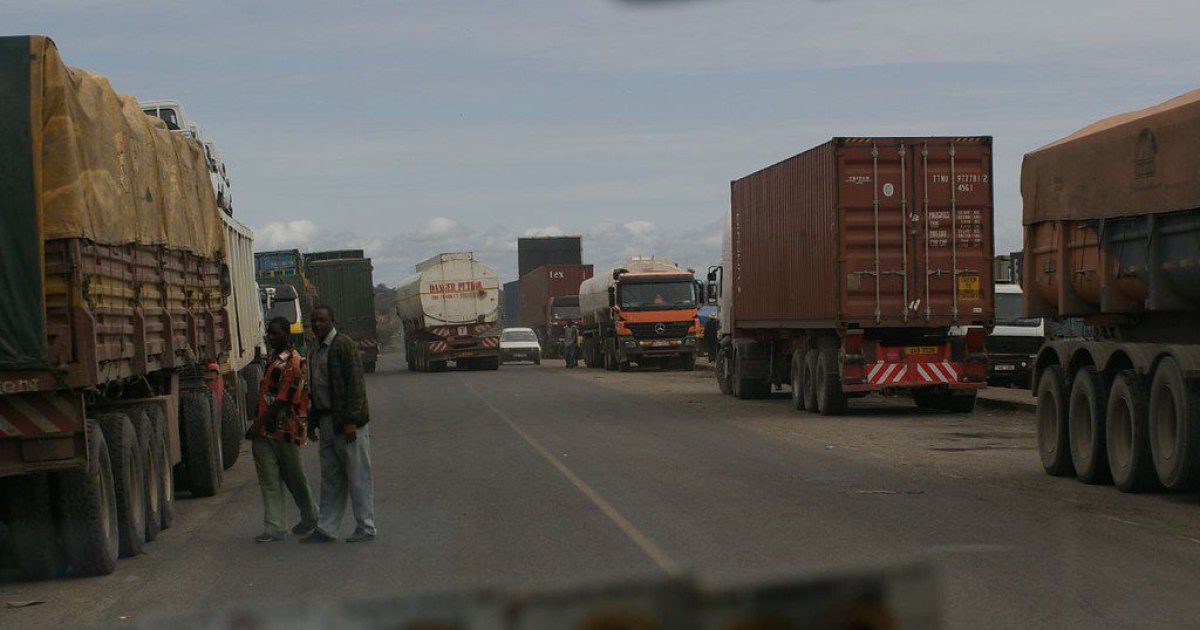
Featured photo: Photo: ☻☺ · CC BY-SA 2.0 · Openverse (source)