Many of Kenya's best-known businesses started as a family duka. Family businesses have real strengths: trust, commitment and people who care about the name over the door. But the most common reason they struggle is simple: the business's money and the family's money become one pot, and nobody can tell whether the business is really making a profit.
Give the business its own money
- Open a separate bank account and M-Pesa line for the business, and put every sale through them.
- Never pay household bills straight from the till.
- Record anything the family takes from the business, even stock taken home.
Pay yourself a salary
Agree a fixed monthly amount for each family member who works in the business, and pay it like any other salary. What is left at the end of the year is the business's profit, and you can decide together how much to reinvest and how much to share.
Agree roles in writing
Who orders stock? Who approves spending? Who handles the bank? When roles are only understood, disagreements fill the gaps. A one-page agreement of who does what, and who signs off on what, prevents most arguments.
Keep records anyone can read
If the person who keeps the books fell ill tomorrow, could someone else pick them up? Daily sales, stock, money owed and bills to pay should be recorded in a way the whole family, and the bank, can understand.
Plan for the next generation
Bring younger family members in with real responsibilities and clear reporting. A business that runs on records rather than on one person's memory is a business that can be handed on.
How cBiZ helps
cBiZ keeps sales, stock, expenses and bank and M-Pesa records in one place, with roles and approvals for each family member and an audit trail of who did what. Everyone sees the same numbers, so family conversations start from facts.
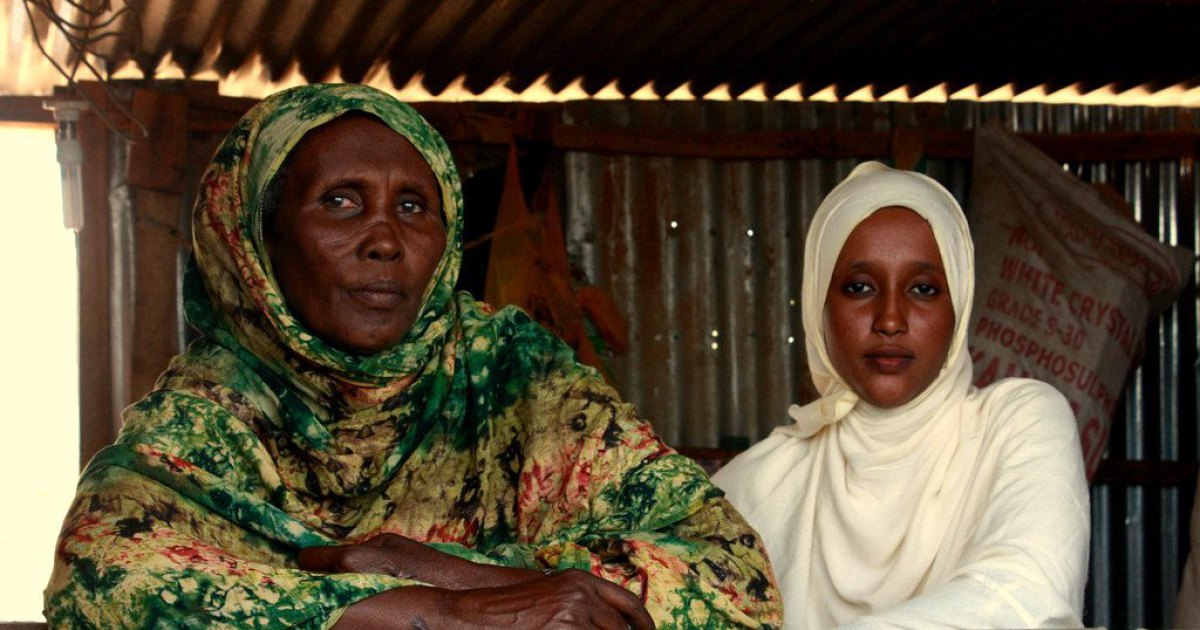
Featured photo: Photo: Oxfam East Africa · CC BY 2.0 · Openverse (source)